


Property developers increase asset value through technology when they improve operational efficiency, tenant experience, occupancy performance, and long-term asset intelligence simultaneously.
That shift matters because asset value today is increasingly tied to operational performance, not just location or construction quality. Buildings that deliver better occupier experiences, faster service responsiveness, cleaner operational data, and lower friction consistently perform better in retention, leasing velocity, and long-term portfolio resilience.
The GCC real estate sector has moved beyond questioning the importance of digital transformation. The real challenge today is understanding why adoption remains so uneven.
While some developers operate highly integrated environments where leasing, tenant communication, maintenance, and reporting are connected through a single ecosystem, others still rely on fragmented systems, spreadsheets, and manual workflows.
The difference is rarely budget. More often, it comes down to mindset. Developers who view technology as core infrastructure move significantly faster than those treating it as an IT project.
This shift is becoming increasingly important as occupier expectations evolve. Residents and tenants now expect seamless digital experiences, from service requests and payments to communication and access management.
As a result, digital maturity is directly influencing:
Today, digitization is no longer a software decision; it is an asset strategy.
Digitization influences far more than post-handover operations. It now shapes the entire customer journey. From digital property discovery and online applications to seamless onboarding and tenant communication, reducing friction leads to higher conversion rates and improved customer satisfaction.
Most developers understand the importance of digitization. The challenge lies in execution.
A common mistake is implementing disconnected tools that create additional complexity rather than a unified operating environment. Others focus heavily on tenant-facing technology while neglecting the operational foundations that drive long-term performance.
Successful transformation starts with operational clarity: standardized processes, centralized data, and clear reporting structures before introducing additional technology layers.
For developers looking to advance their digital maturity, the priorities should be:
Developers that approach technology as an operational foundation rather than a collection of software tools are better positioned to scale efficiently, respond to market changes, and create stronger long-term asset performance.
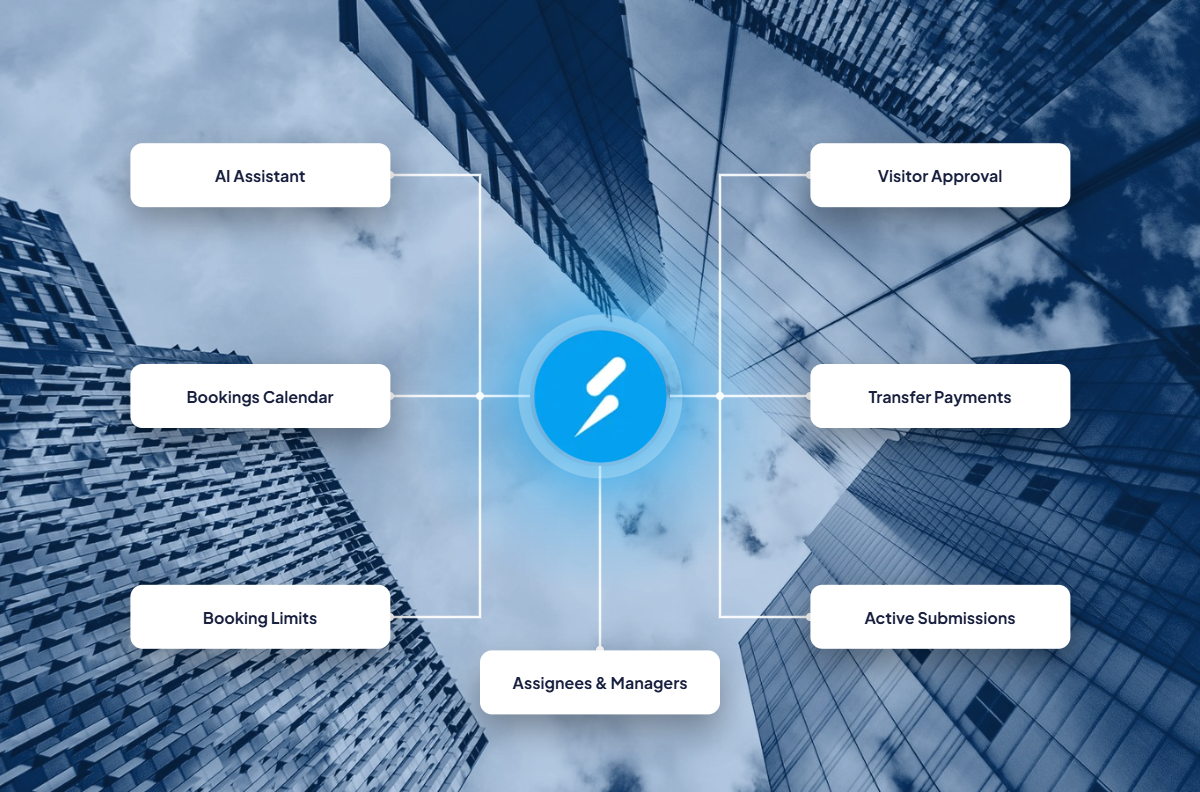
As developers across KSA and the UAE move toward more connected operating models, platforms like RAY help bring leasing, tenant management, maintenance, communication, and reporting into a single ecosystem.
By centralizing operations and providing real-time visibility across the asset lifecycle, developers can reduce inefficiencies, improve service delivery, and make more informed decisions.
The goal is simple: improve operational visibility, enhance tenant experiences, and support stronger long-term asset performance.


.svg)