

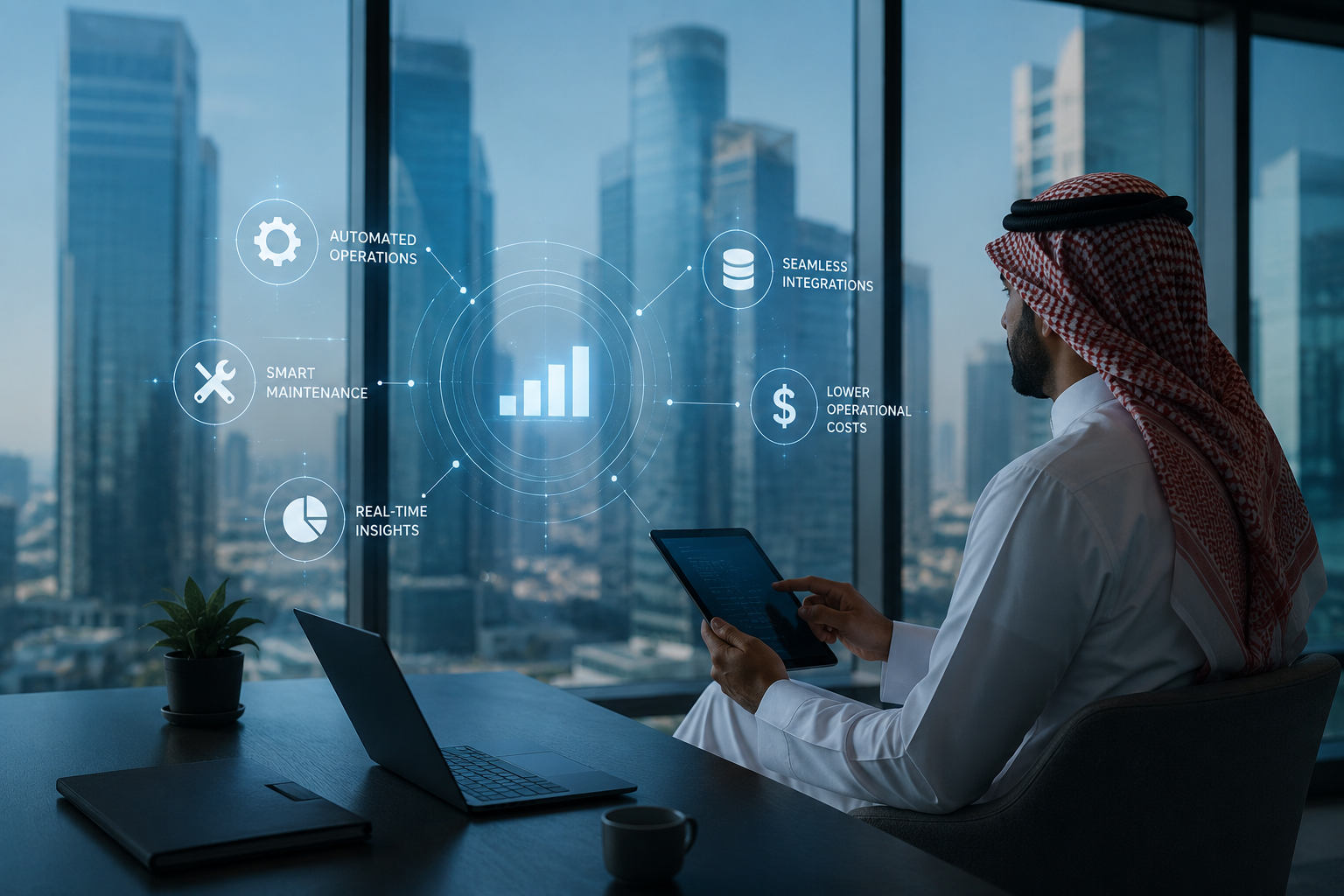
Managing real estate today involves far more than collectingrent and responding to maintenance requests. Whether overseeing residentialcompounds, commercial buildings, mixed-use developments, or business centers,operators are expected to deliver exceptional tenant experiences while keepingcosts under control.
As portfolios continue to grow across the GCC, many propertyteams still rely on disconnected software, spreadsheets, emails, and manualprocesses. The result? Increased operational expenses, slower response times,and limited visibility into property performance.
This is where PropTech platforms are transforming theindustry.
Why Operational Costs Continue to Rise
Real estate operators face several day-to-day challengesthat directly impact profitability:
While each issue may seem manageable on its own, togetherthey consume valuable time and resources that could be better invested inimproving tenant satisfaction and growing the business.
The Value of an Integrated PropTech Platform
Instead of managing different systems for leasing,maintenance, finance, communication, and reporting, modern PropTech platformsbring everything together in one centralized solution.
By integrating essential property management functions,operators can streamline workflows, eliminate duplicate work, and gain completevisibility across their portfolio.
The result is faster operations, fewer manual tasks, andlower operating costs.
Four Ways PropTech Helps Reduce Costs
1. Automates Repetitive Administrative Tasks
Administrative work can quickly become overwhelming whenmanaging hundreds or thousands of units.
Automating lease management, billing, payment reminders,approvals, and recurring workflows reduces manual effort while minimizing humanerror.
This allows property teams to focus on higher-valueactivities instead of repetitive paperwork.
2. Improves Maintenance Efficiency
Maintenance is often one of the largest operational expensesfor property owners.
A centralized maintenance management system enables teamsto:
Faster issue resolution reduces costly repairs, improvesasset longevity, and creates a better experience for tenants.
3. Better Decision-Making Through Real-Time Data
Without accurate reporting, property managers often react toproblems instead of preventing them.
Integrated dashboards and analytics provide real-timevisibility into:
Having access to this information allows operators toidentify inefficiencies early and optimize resources more effectively.
4. Seamless Integrations Eliminate Data Silos
One of the biggest hidden costs in property management comesfrom disconnected systems.
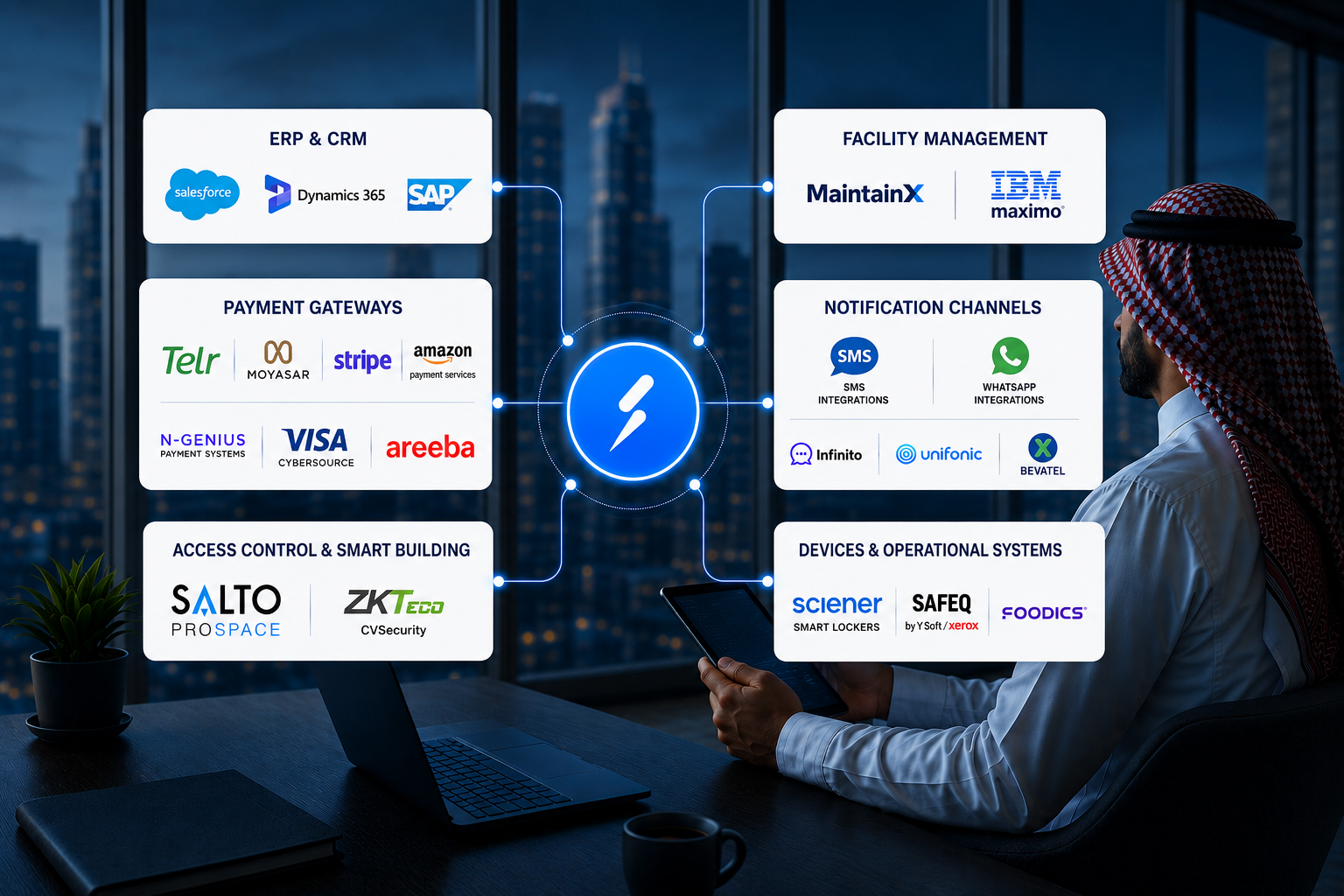
Modern PropTech platforms integrate with accountingsoftware, payment gateways, access control systems, CRMs, and other businessapplications, creating a single source of truth across operations.
Instead of entering the same information multiple times,teams benefit from automated data synchronization, fewer errors, and fasterworkflows.
Beyond Cost Savings: A Better Tenant Experience
Reducing operational costs doesn't mean compromising servicequality.
In fact, automation often improves the tenant experience byenabling:
Satisfied tenants are more likely to renew leases, recommendthe property, and contribute to stronger long-term occupancy rates—creatingadditional financial value for operators. Research highlighted by RAY alsopoints to improvements in tenant engagement and retention alongside loweroperational costs.
Future-Proofing Property Operations
As the GCC real estate sector continues its digitaltransformation, technology is becoming a competitive necessity rather than aluxury.
Property operators that embrace integrated PropTechsolutions can simplify operations, improve efficiency, and scale theirportfolios without proportionally increasing operational overhead.
The future of property management isn't about using moresoftware—it's about using one connected platform that brings every aspect ofoperations together.


.svg)