

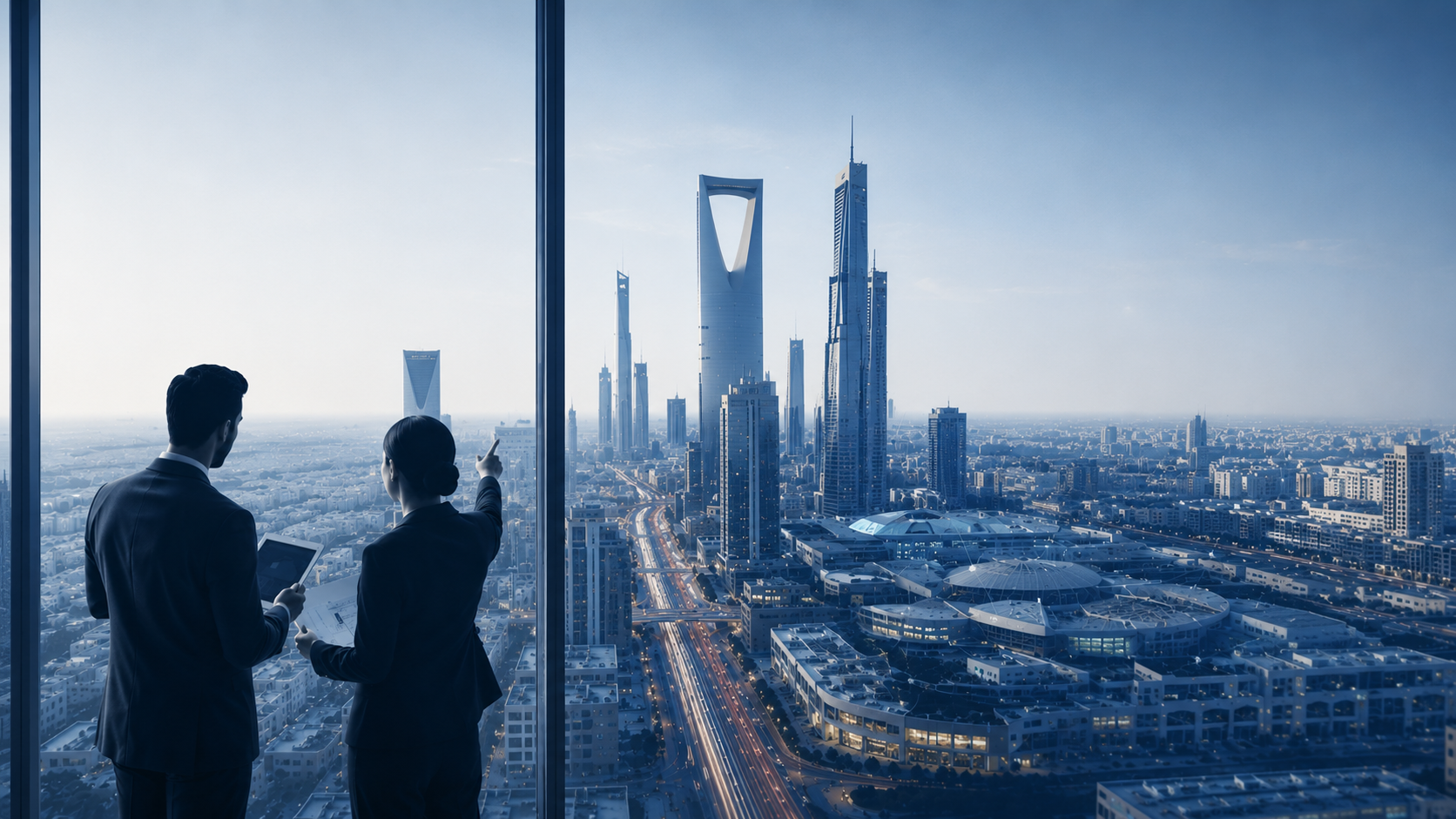
Vision 2030 is transforming property management in Saudi Arabia from a facilities driven function into a technology led operational discipline.
For property operators in KSA, the shift is no longer only about maintaining buildings efficiently. It is about managing connected, data driven environments at scale from residential communities and business parks to mixed use developments and smart city projects.
Saudi Arabia’s real estate transformation is not only defined by the scale of new developments, but by the way these assets are expected to operate.
Under Vision 2030, property operators are increasingly expected to deliver hospitality grade experiences supported by efficient digital systems. In Riyadh and other major cities, large scale developments are now competing not just on location and design, but on operational quality, responsiveness, and tenant experience.
This shift is changing the role of property management. Facility teams need real time operational visibility. Community managers need digital resident engagement tools. Maintenance teams need structured ticketing and preventive workflows. Owners need clearer reporting across assets, vendors, and service performance.
The benchmark is no longer simply whether a building is functional. It is whether the property experience is seamless, responsive, and digitally enabled.
Occupier expectations in Saudi Arabia have evolved quickly.
Residents, corporate tenants, and commercial occupiers now expect the convenience of digital first services, including:
• Mobile communication
• Digital payments
• Fast maintenance response
• Transparent service tracking
• Visitor management
• Smart access systems
For commercial operators, expectations are even higher. Companies entering modern developments expect operational standards that align with international business environments, especially in sectors supported by Vision 2030 such as technology, tourism, logistics, financial services, and entertainment.
A property may offer premium design and infrastructure, but if communication is fragmented, maintenance is manual, or reporting is unclear, tenant satisfaction can quickly decline.
The gap between traditional property management and 2030 ready operations is becoming more visible.
To prepare for the next phase of growth, property operators in Saudi Arabia should prioritize:
Technology adoption alone is not enough. Operators also need the right operational structure to make digital transformation work at scale.
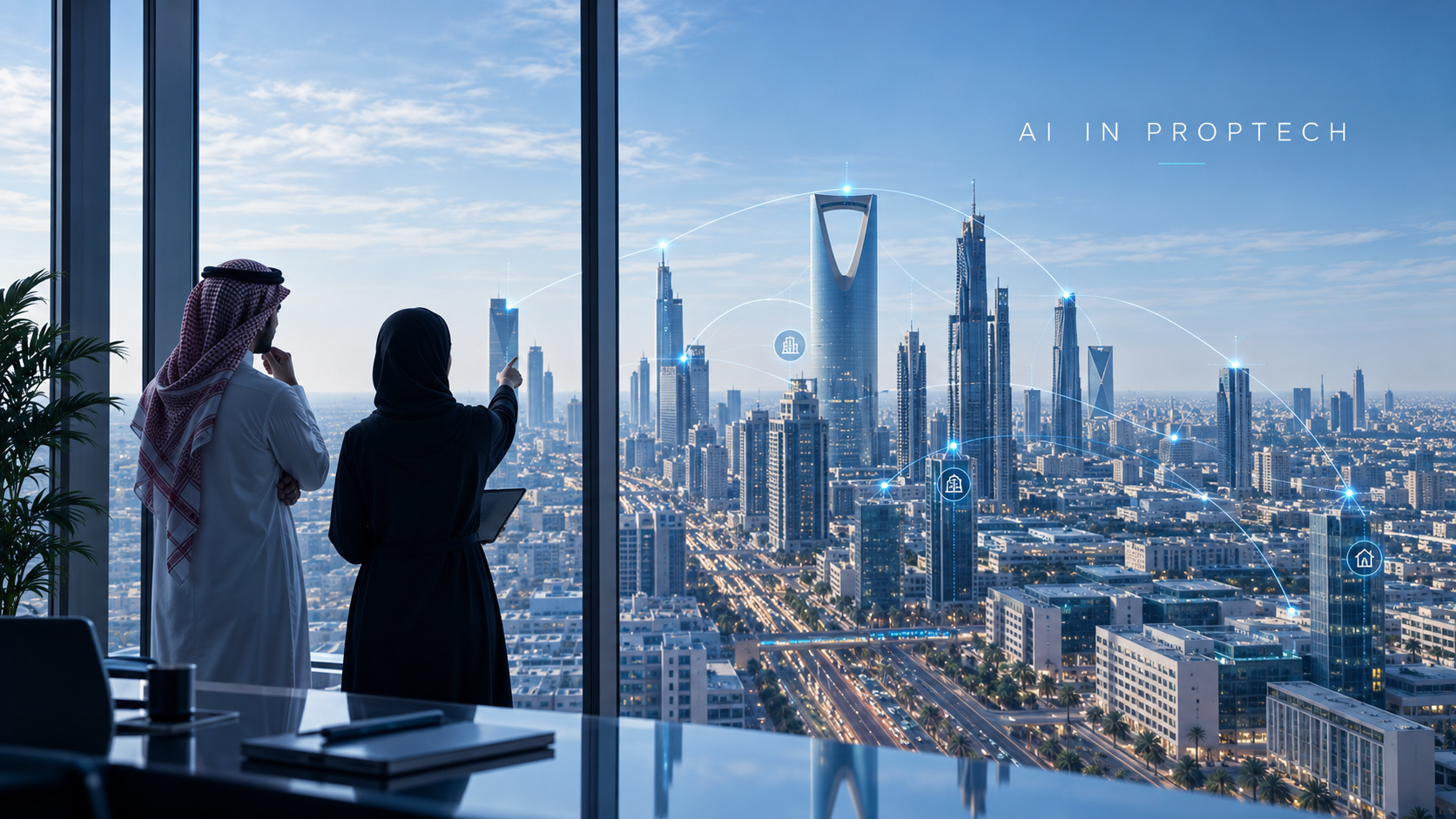
As Saudi Arabia’s built environment becomes more connected, technology platforms are becoming core infrastructure for property operations.
Large residential compounds, business parks, and mixed use developments require visibility across maintenance, tenant engagement, vendor coordination, occupancy performance, and financial reporting. Managing these workflows through disconnected systems is no longer sustainable.
Platforms like RAY are helping operators modernize property and tenant management across KSA and the region by centralizing daily operations, improving service delivery, and reducing operational inefficiencies.
Vision 2030 has already reshaped the ambition and scale of Saudi Arabia’s real estate sector. The next challenge is operational: ensuring these developments remain efficient, responsive, and sustainable long after construction is complete.
For developers, compound operators, and facility leaders, the question is no longer whether digital transformation will affect property operations. It is whether today’s systems are ready to support the scale and expectations of Saudi Arabia’s next decade of growth.



.svg)