

In real estate, tenant satisfaction is often discussed in terms of design, amenities, or location. Yet operators managing large portfolios know that what shapes tenant experience most consistently is something far less visible: operational structure.
As portfolios grow, maintaining service quality across multiple buildings becomes increasingly complex. To understand how leading operators maintain tenant satisfaction at scale, we spoke with the COO of Beirut Digital District (BDD), who oversees operations across a multi-building campus serving companies, teams, and communities daily. Their perspective highlights how centralized property and tenant management platforms are reshaping the relationship between real estate operations and tenant retention.
The COO explains that tenant experience is rarely defined by a single moment.
“Tenants don’t evaluate a property based on one interaction, they evaluate it based on consistency. Responsiveness, clarity, and reliability are what shape their perception over time.”
At BDD, where multiple buildings operate simultaneously, that consistency depends on how well internal systems support teams. When information is structured and accessible, teams can respond quickly and communicate clearly. When systems are fragmented, even strong teams struggle to maintain the same level of service.
The Hidden Impact of Operational Fragmentation
Tenants often feel operational inefficiencies before operators notice them internally. Delayed responses or unclear updates usually originate from scattered workflows rather than lack of effort.
“When teams rely on separate tools or manual tracking, coordination takes longer. The issue isn’t commitment, it’s visibility. Without centralized information, even simple requests require extra steps.”
In multi-asset environments, these small delays accumulate. What begins as a minor coordination gap can gradually affect tenant confidence and satisfaction.
For operators managing several properties, visibility is essential. Centralized property management platforms create a shared operational environment where teams access the same information, track requests, and coordinate actions in real time.
What operational difference does that make day to day?
“It changes how teams work,” the COO notes. “Instead of searching for information or confirming updates, they can act immediately. That speed and clarity directly improve tenant interactions.”
In practice, this means tenants receive faster responses, more accurate updates, and more consistent service across properties, all factors that contribute to stronger satisfaction.
While incentives and pricing can influence short-term decisions, long-term retention is driven by trust. Tenants remain where they feel supported, informed, and confident that operations run smoothly.
How does operational structure affect retention over time?
“Retention reflects patterns, not moments. If tenants consistently experience reliable communication and efficient handling of requests, they develop confidence in the environment. Systems that support teams consistently are what make that possible.”
Structured platforms enable property teams to maintain service standards even as portfolios expand, ensuring tenants experience the same level of professionalism across locations.
How can operators grow while preserving tenant experience?
If systems scale alongside the portfolio, teams can maintain consistency. If they don’t, complexity increases faster than processes can handle.
Centralized tenant and property management systems address this challenge by standardizing workflows across properties. Instead of reinventing processes for each building, teams apply the same operational framework portfolio-wide.
The relationship between operational systems and tenant satisfaction is becoming clearer across the industry. As expectations rise, operators are recognizing that experience is shaped as much by management efficiency as by physical infrastructure.
Platforms designed specifically for property and tenant management are increasingly being adopted to support this shift, allowing operators to coordinate services, monitor requests, and maintain visibility across assets within one environment.
Insights from active environments like Beirut Digital District suggest that centralized systems are becoming essential tools for delivering the responsiveness, reliability, and coordination tenants expect today.
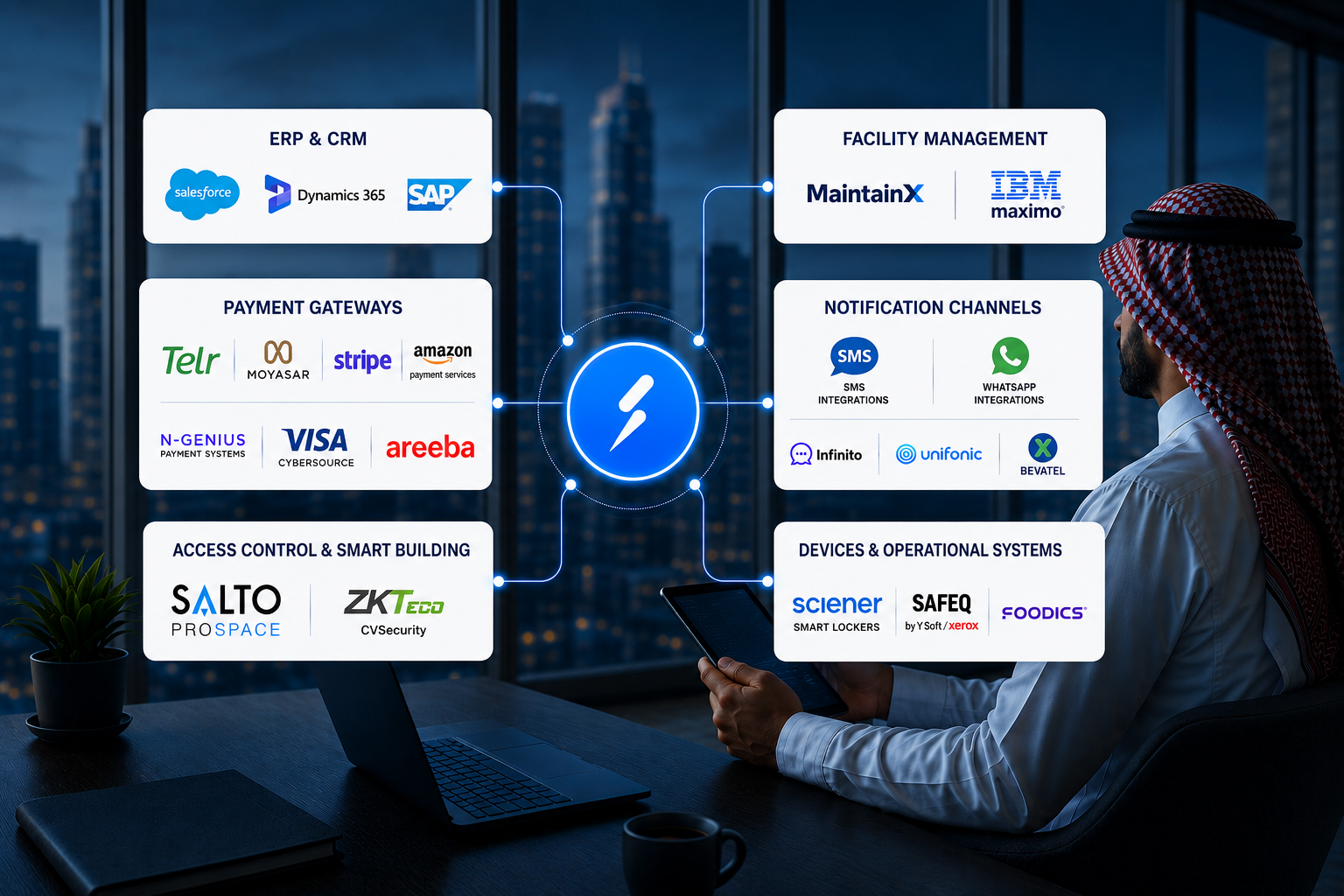
Platforms such as RAY, developed within BDD’s ecosystem and shaped through real operational use, reflect this evolution toward structured solutions designed to support property teams and tenants at scale.



.svg)