

.png)
The landscape of commercial real estate management is fundamentally different from its residential counterpart, especially in the high-stakes, rapidly evolving markets of the Gulf Cooperation Council (GCC),including the UAE and KSA. Here, managing office towers, retail centers, and industrial parks demands a specialized set of skills, a deep understanding of business tenancy, and a reliance on cutting-edge technology. The goal of commercial real estate management is not just to maintain the property, but to actively drive its value as a business asset, ensuring optimal returns for investors and a world-class environment for tenants.
This article delves into the unique complexities of managing commercial properties in the GCC, outlining the key strategies and technological tools required to thrive in this competitive sector.
While both residential and commercial management involve leases and maintenance, the commercial sector is defined by its focus on business-to-business relationships and complex financial structures.
Commercial leases are typically longer, more intricate, and often involve specialized clauses such as:
• Triple Net(NNN) Leases: Where the tenant pays for property taxes, insurance, and maintenance in addition to rent.
• Percentage Leases: Common in retail, where rent includes a base amount plus a percentage of the tenant's gross sales.
• Common Area Maintenance (CAM) Reconciliation: The annual process of calculating and billing tenants for their share of operating expenses, a task that requires meticulous accounting.
Effective commercial real estate management requires a system that can automate the tracking, calculation, and reconciliation of these complex financial arrangements with absolute precision.
The tenant mix in a commercial property is a strategic decision that impacts the entire asset's value. Management must focus on:
• Strategic Leasing: Curating a mix of tenants that enhances the property's appeal and drives foot traffic (especially in retail).
• Business Continuity: Ensuring that the property's infrastructure (HVAC, power, security) supports the uninterrupted operations of the tenant businesses.
• Facility Upgrades: Managing large-scale capital improvements and tenant fit-outs, which are far more common and complex in commercial spaces.
To excel in the competitive GCC market, commercial real estate management must adopt strategies that are both globally competitive and locally attuned.
1. Mastering Financial Precision
The sheer size and value of commercial assets in the region mean that even small errors in financial management can have massive consequences. Managers must leverage technology to:
• Automate CAM Reconciliation: This is a major pain point. A dedicated system can automate the complex calculations, ensuring fairness and transparency for all tenants.
• Integrated Accounting: Seamlessly link property management data with core accounting systems to eliminate manual data entry and ensure financial compliance.
• Detailed Expense Tracking: Categorize and track every operational expense to provide owners with clear, actionable insights.
2. Prioritizing Tenant Experience as a Business Asset
In commercial real estate, tenant retention is paramount. The cost of a vacant office floor or retail unit far outweighs the cost of providing exceptional service.
• White-Labeled Tenant Apps: Providing a branded, user-friendly app for tenants to submit maintenance requests, receive building announcements, and access documents instantly. This is a crucial element of modern commercial real estate management.
• Proactive Communication: Using the platform to communicate planned maintenance, service disruptions, and building updates, demonstrating a commitment to transparency and service.
• Community Building: For mixed-use or office park developments, the management platform can facilitate networking and community events, adding intangiblevalue that encourages lease renewal.
3. Navigating Regulatory and Compliance Hurdles
The GCC is known for its stringent and evolving regulatory environment. Commercial real estate management must be built on a foundation of compliance.
• Local Integrations: The management system must be capable of integrating with local government platforms, such as Ejar in KSA, to ensure all commercial lease registrations and renewals are compliant.
• Document Management: Maintaining a secure, digital repository for all commercial contracts, permits, and compliance certificates is non-negotiable.

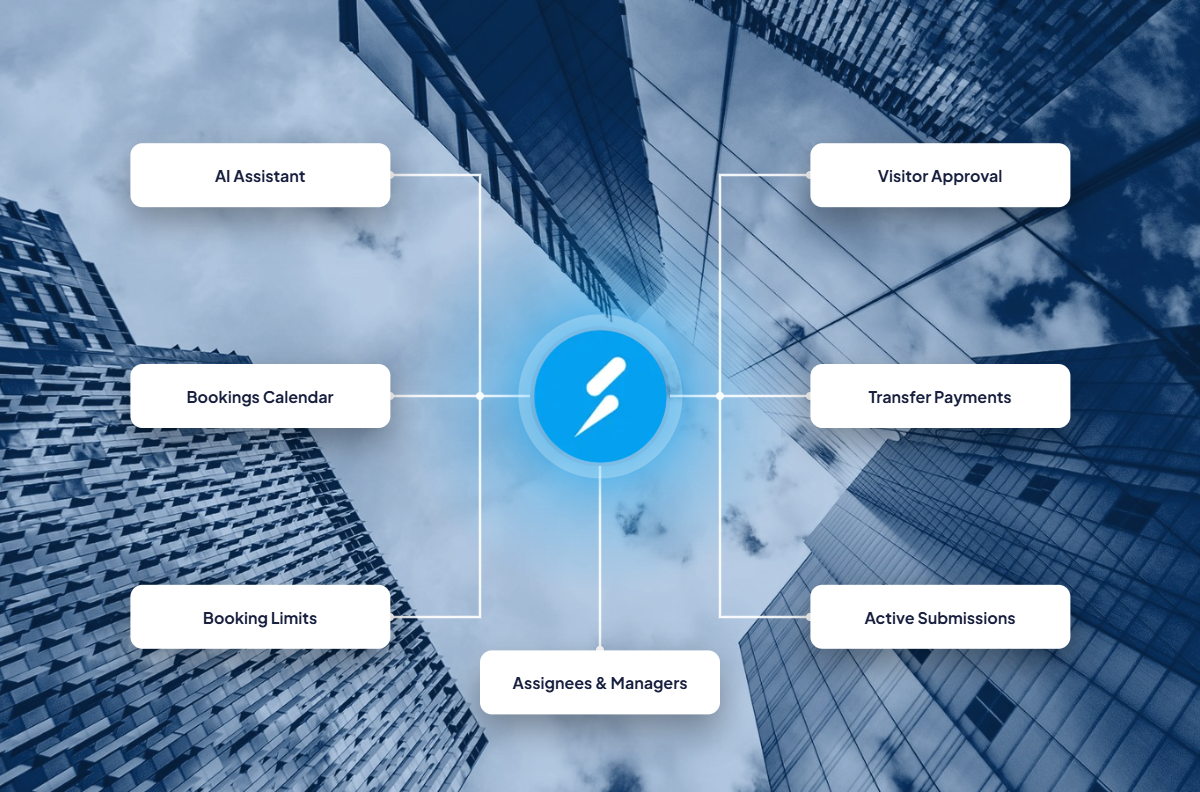
The most successful commercial real estate management firms in the GCC are those that have embraced PropTech. A unified platform, like RAY, is specifically designed to handle the scale and complexity of commercial portfolios.
By centralizing operations, automating financial processes, and providing superior digital experiences for tenants, PropTech solutions transform the role of the property manager from a reactive administrator to a strategic asset manager. This shift is essential for maximizing the return on investment in the region's high-value commercial properties.
Strategic Management for High-Value Assets
Commercial real estate management is a strategic discipline that requires precision, foresight, and the right tools. In the competitive markets of the UAE and KSA, the ability to manage complex leases, ensure financial accuracy, and deliver an exceptional tenant experience is what separates market leaders from the rest.
By adopting an integrated, technology-driven approach, commercial property owners and managers can confidently navigate the complexities of the market, ensuring their assets not only retain their value but continue to grow and outperform.
Ready to elevate your commercial real estate management strategy?



.svg)