

AI is creating new opportunities across property management.
Today, property teams can build a chatbot, automate a workflow, analyze data, or prototype a tenant tool faster and at a lower initial cost than ever before.
For property managers under pressure to modernize their operations, building a custom solution can be an attractive option. However, as AI makes software development more accessible, it also raises an important question:
When should you build a solution yourself, and when does it make more sense to rely on a purpose-built property management platform?
The answer depends not only on what the solution can do today, but also on what it will need to support as your properties, tenants, and operations grow.
AI has significantly lowered the barrier to creating software. However, developing the first version is only one part of the investment.
Once a tool becomes part of everyday property operations, someone needs to maintain it, secure it, update its integrations, resolve technical issues, manage user permissions, and adapt it as the portfolio expands.
This is where the initial cost of a quick AI build can become misleading.
Additional costs may emerge when a prototype needs to be rebuilt to support a larger portfolio, integrations require continuous maintenance, security requirements change, or a new development team has to take over a system it did not originally build.
While custom development may be suitable for simple experiments or highly specific applications, established platforms can remain the stronger choice for mission-critical operations where reliability, scalability, compliance, and long-term maintenance matter.
Property managers should therefore look beyond the cost of launching a solution and consider its total cost of ownership.
The key question is not simply, “How quickly can we build this?” It is also: “Who will own, maintain, and develop this solution two or three years from now?”
Property management rarely operates through a single system.
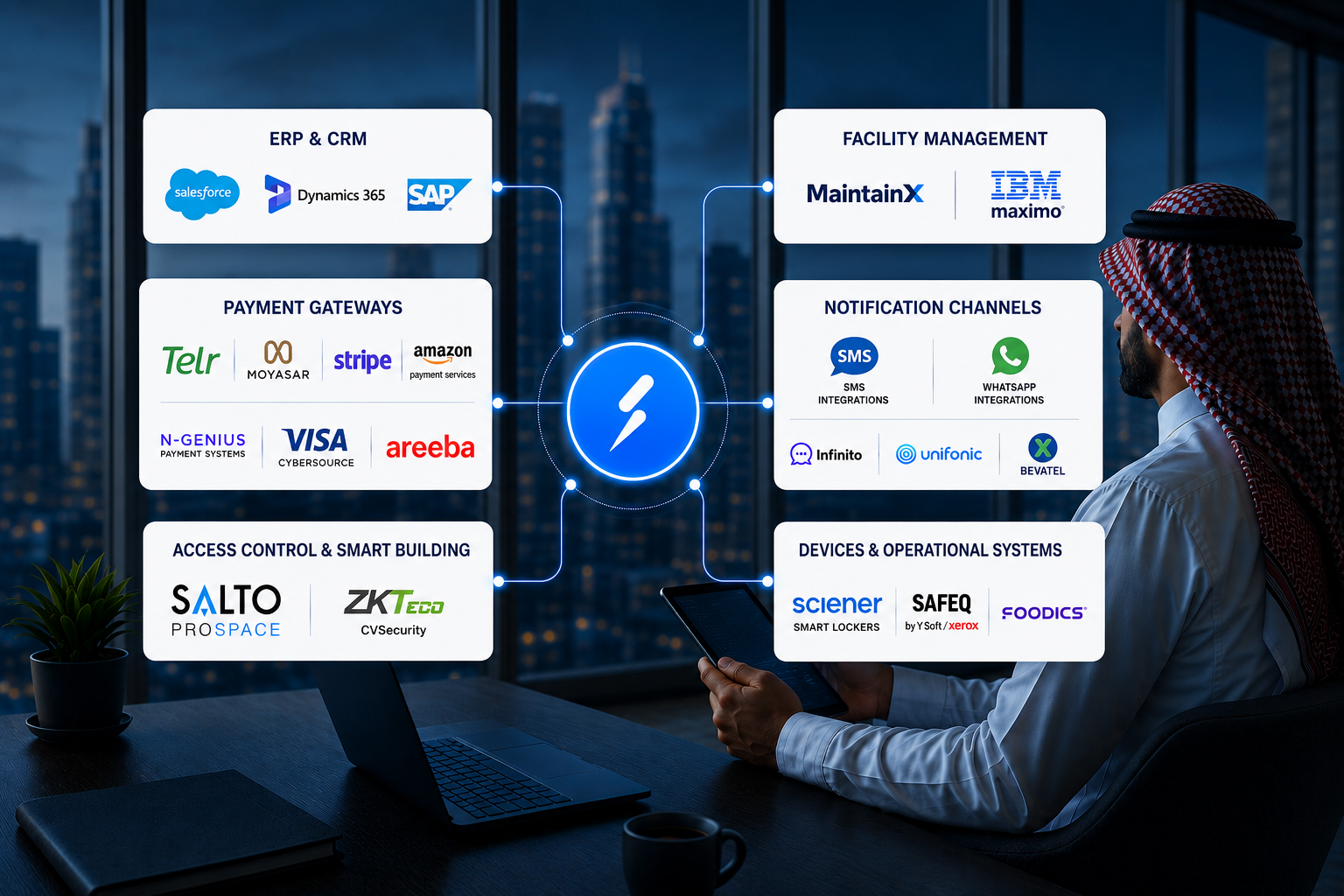
Payments, maintenance, accounting, tenant communication, visitor management, access control, bookings, and ERP and CRM platforms can all form part of daily operations.
In Saudi Arabia, property companies also operate within a wider digital environment that includes platforms such as Ejar, the Kingdom’s electronic network for regulating and facilitating the rental sector.
A custom AI tool might solve one workflow effectively. However, connecting that tool to the rest of the property ecosystem can be considerably more complex.
Using multiple standalone tools can also create fragmented experiences. Tenants need simple, connected ways to manage their everyday interactions, while property teams need those interactions to feed into a unified operational environment.
Purpose-built property management platforms are designed with this wider ecosystem in mind.
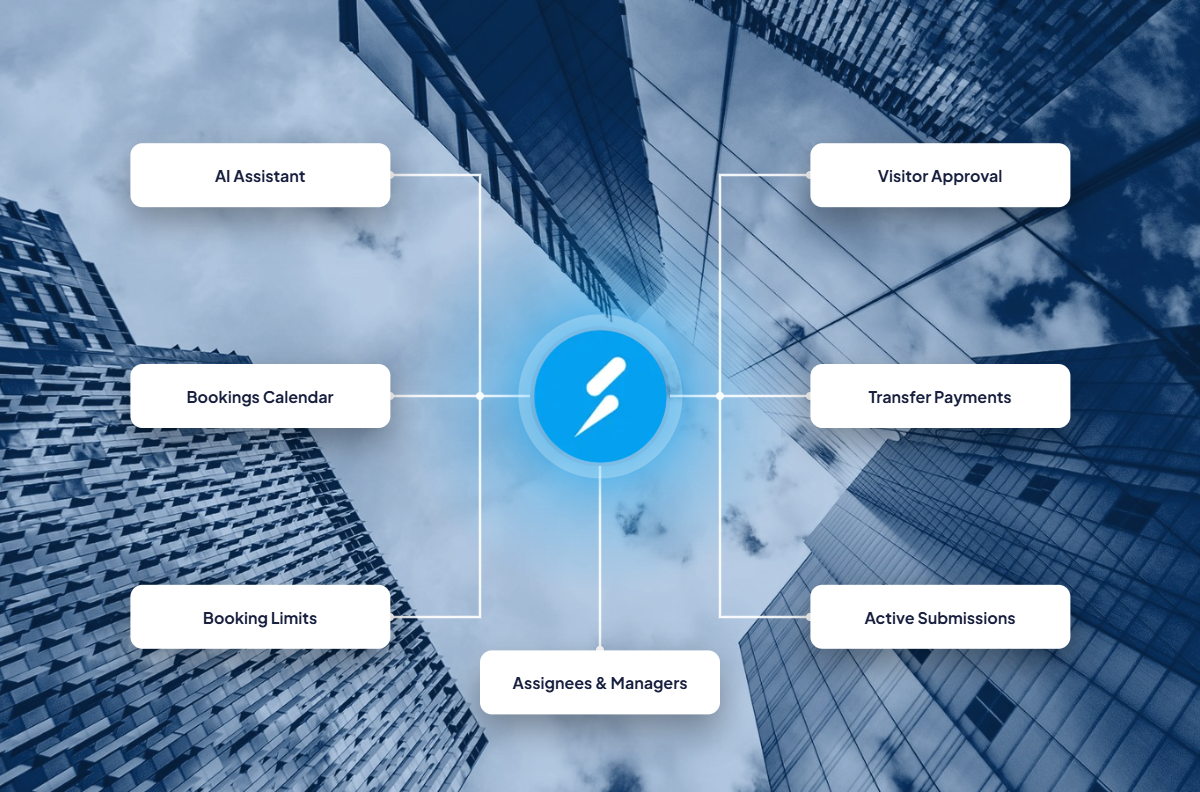
RAY, for example, enables property teams to centralize tenant communication, maintenance, payments, visitor management, bookings, analytics, and other operational functions while integrating with the systems already used across their technology stack.
The value is not only in the individual features. It lies in how these functions work together to create a more connected experience for tenants and greater visibility for property teams.
Property operations involve sensitive information, including tenant data, payment records, leases, visitor details, and access permissions.
As AI solutions are introduced, security, data governance, and regulatory compliance need to remain a priority from the beginning, not be addressed after a tool has already become operational.
Property managers should understand:
They should also determine which decisions can be safely automated and which require human oversight, particularly when they affect tenants, payments, access, maintenance priorities, or contractual obligations.
Custom AI solutions can be secure and compliant, but maintaining those standards requires continuous expertise, monitoring, and investment.
The rise of AI does not mean property managers need to choose between AI and established property management software.
In many cases, the greater opportunity lies in bringing the two together.
AI can help automate repetitive tasks, analyze operational information, improve tenant interactions, support predictive maintenance, and enable property teams to work more efficiently.
A property management platform provides the operational foundation that connects those capabilities to real properties, tenants, workflows, integrations, and data.
For a specific experiment or a unique internal process, building with AI may be the right decision.
However, when technology becomes the operational backbone of a property, managing everything from tenant interactions and maintenance to payments, access, reporting, and integrations, the decision requires a longer-term perspective.
AI is making it easier to build. The bigger question for property managers is what is worth building, and what is better built on a platform designed for the job.


.svg)